Disclaimer / Writer’s Note (click to open):
When studying/researching/observing kaido racers I think it is important to understand there are no “absolutes”. No modification is locked to a specific region by law and there will always be exceptions. The purpose of this is to have a better understanding of what was being built in a region that is not documented as well as others through this period of kaido racer history.
What is the Kansai Region
The Kansai region (関西地方) consists of the prefectures: Hyogo, Kyoto, Osaka, Nara, Mie, Shiga, and Wakayama. As far as car culture is concerned this region is the epicenter of Honda tuning, namely the loop racers (Kanjozoku 環状族) of Osaka in B-series powered Civics. Loop racers were at their peak through the late 1980’s and early 1990’s similar to that of kaido racers in the Kanto region (Tokyo, Chiba, Ibaraki, etc.). What the Kansai region is not often associated with (at least to us English speakers) is kaido racers.
After spending time translating and studying Tuning Car Maximum an emerging trend was the mention of Kansai region kaido racers. In the modern day there’s very little discourse around cars or styling queue’s from this area. The following examples and excerpts have been gathered in an attempt to define what was popular in this area.
Hiro Motors
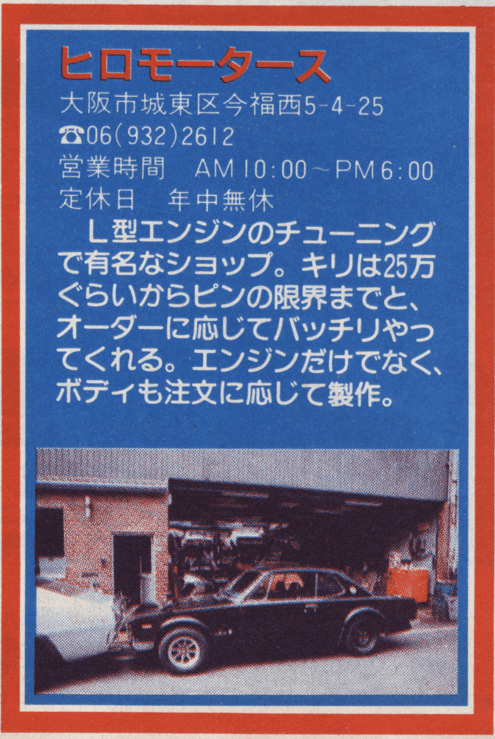
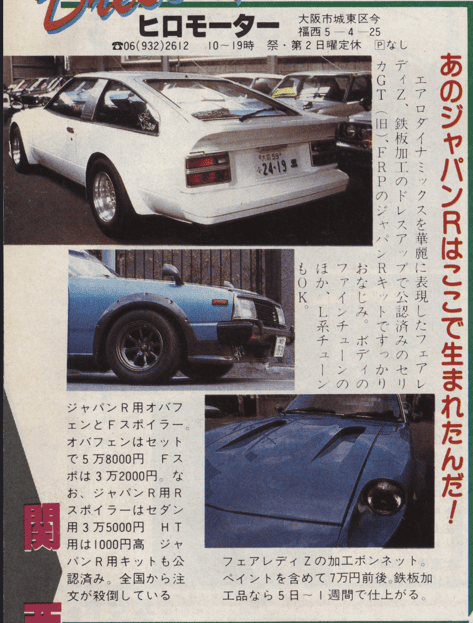
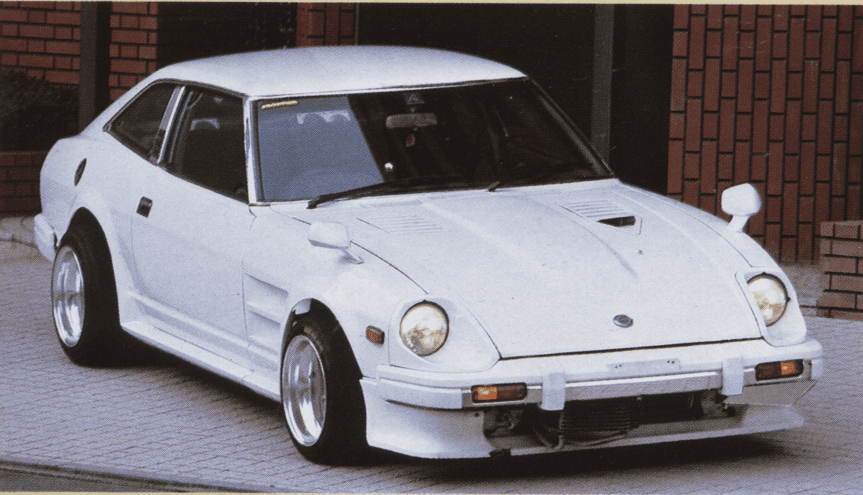
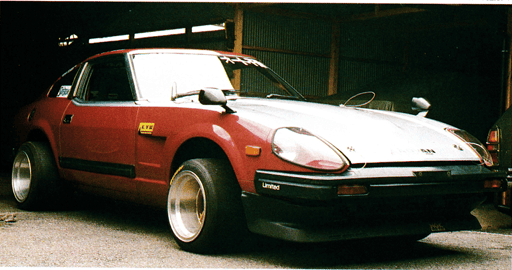
The best place to start when inspecting this topic is Hiro Motors, a shop who’s influence spread well beyond Joto Ward, Osaka. For many of us Hiro would be associated with the off-the-shelf fiberglass aero parts designed for kaido racers however they were renowned for L series (Nissan) tuning and custom bodywork. The latter influencing this regions style heavily. Some Hiro Motors built cars are as follows:
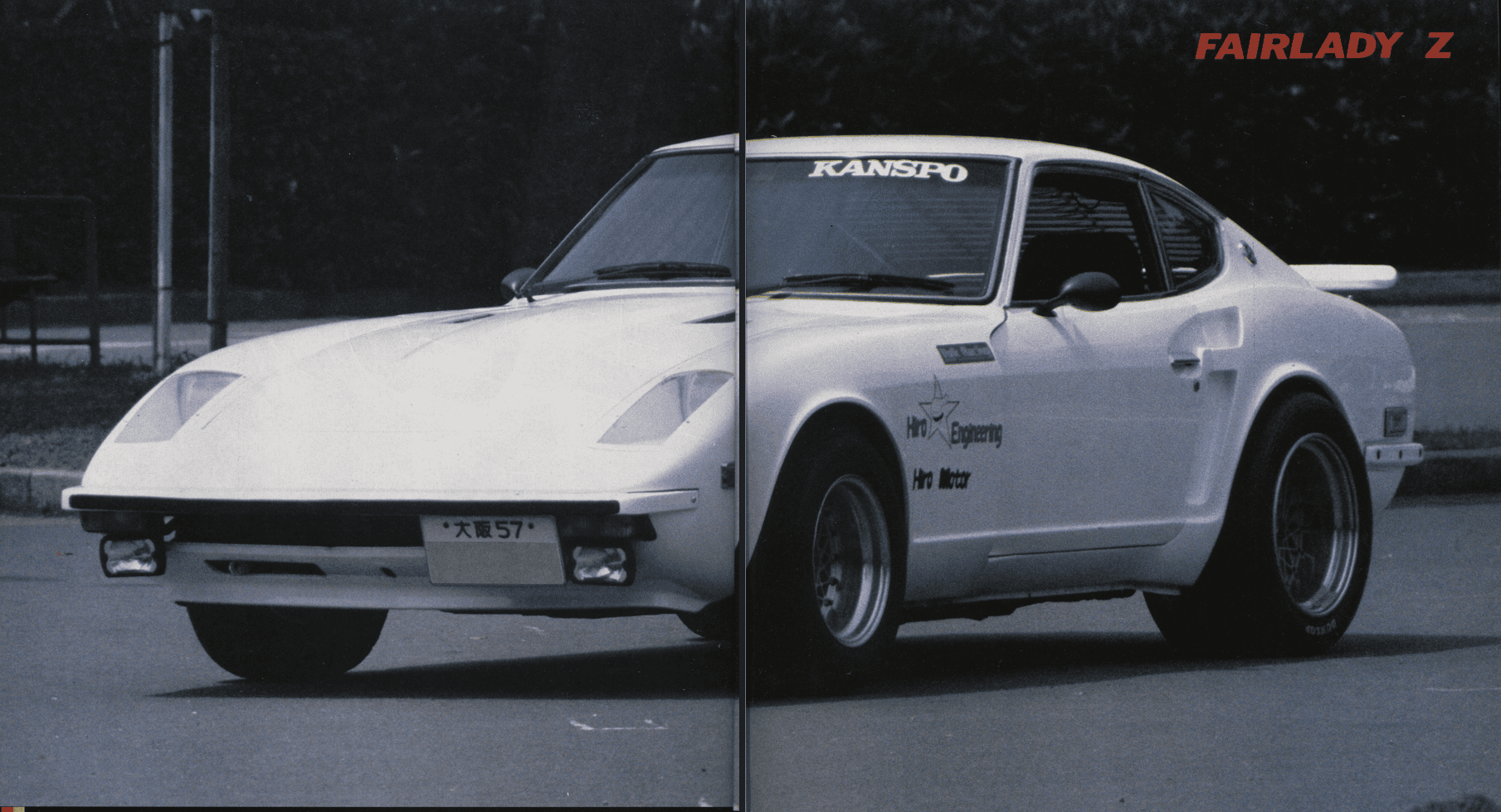
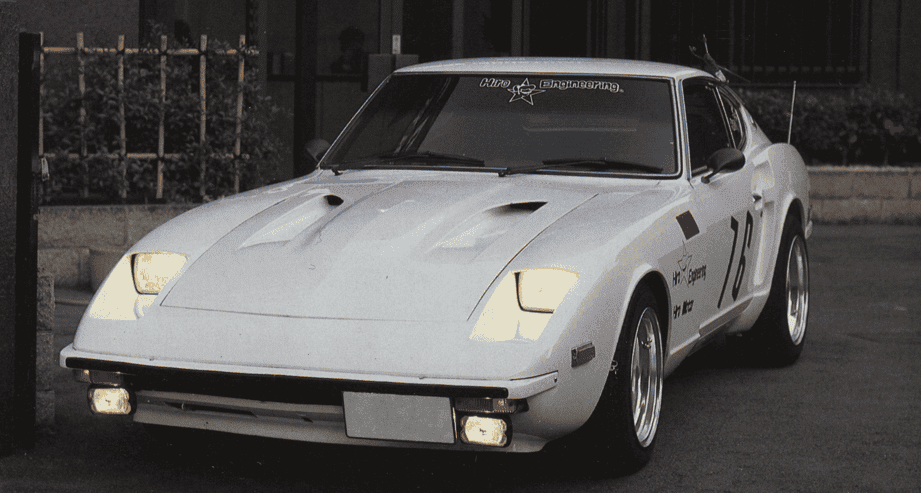
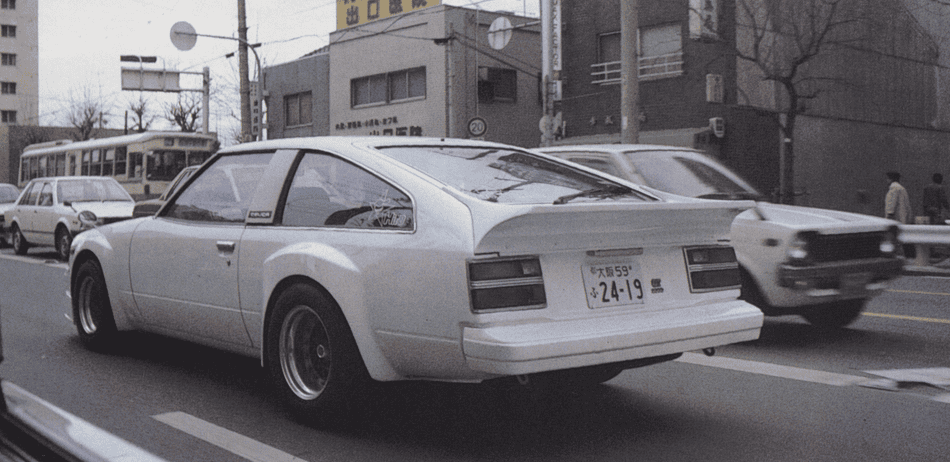

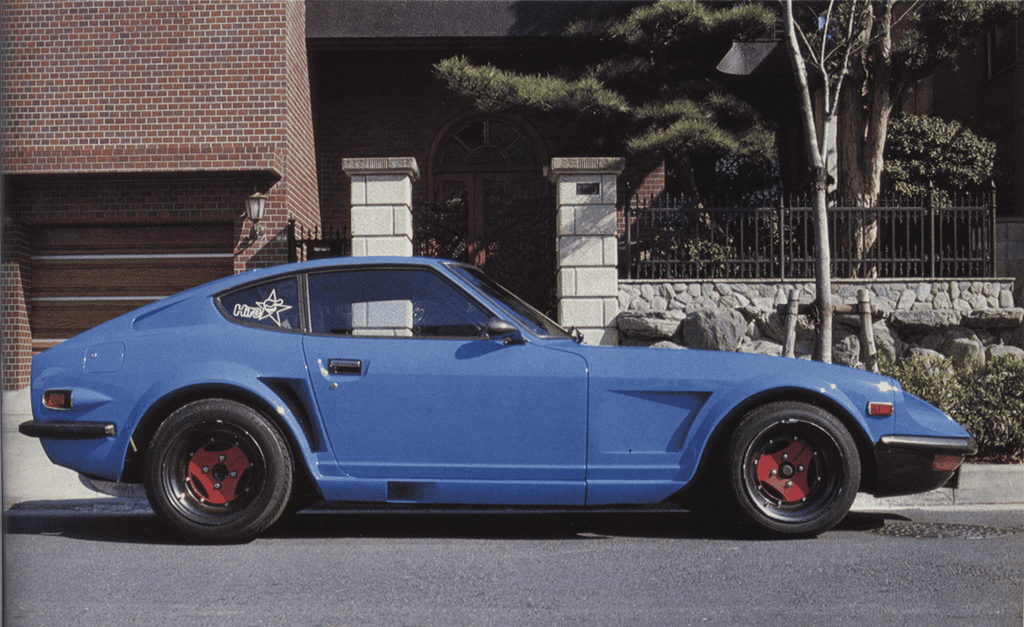
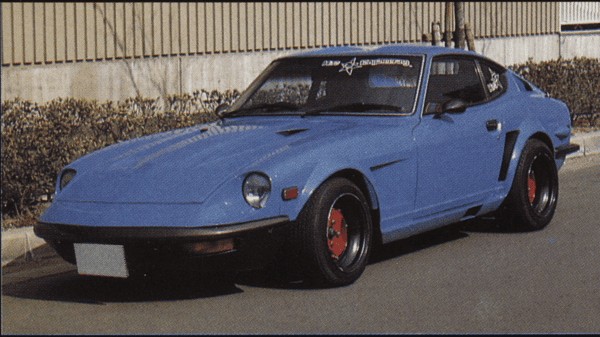
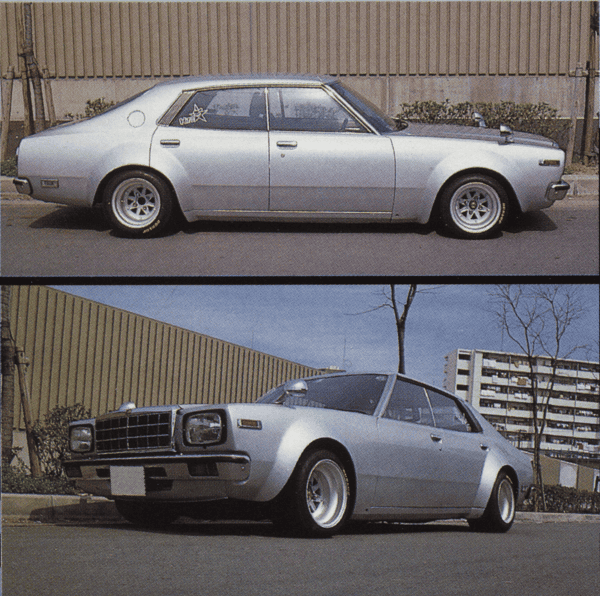
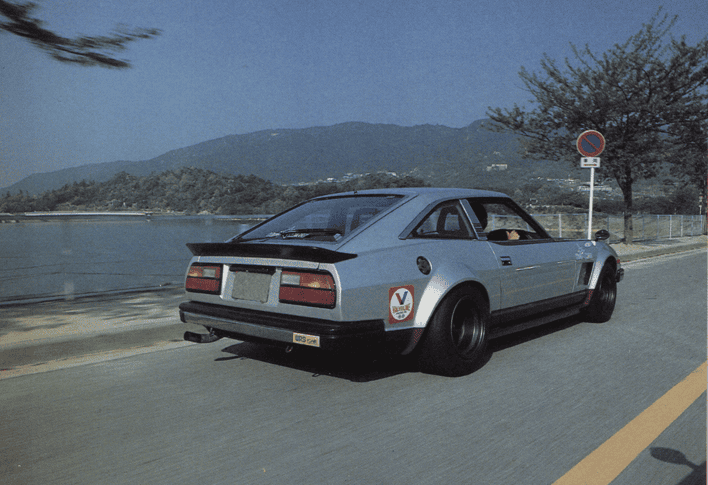
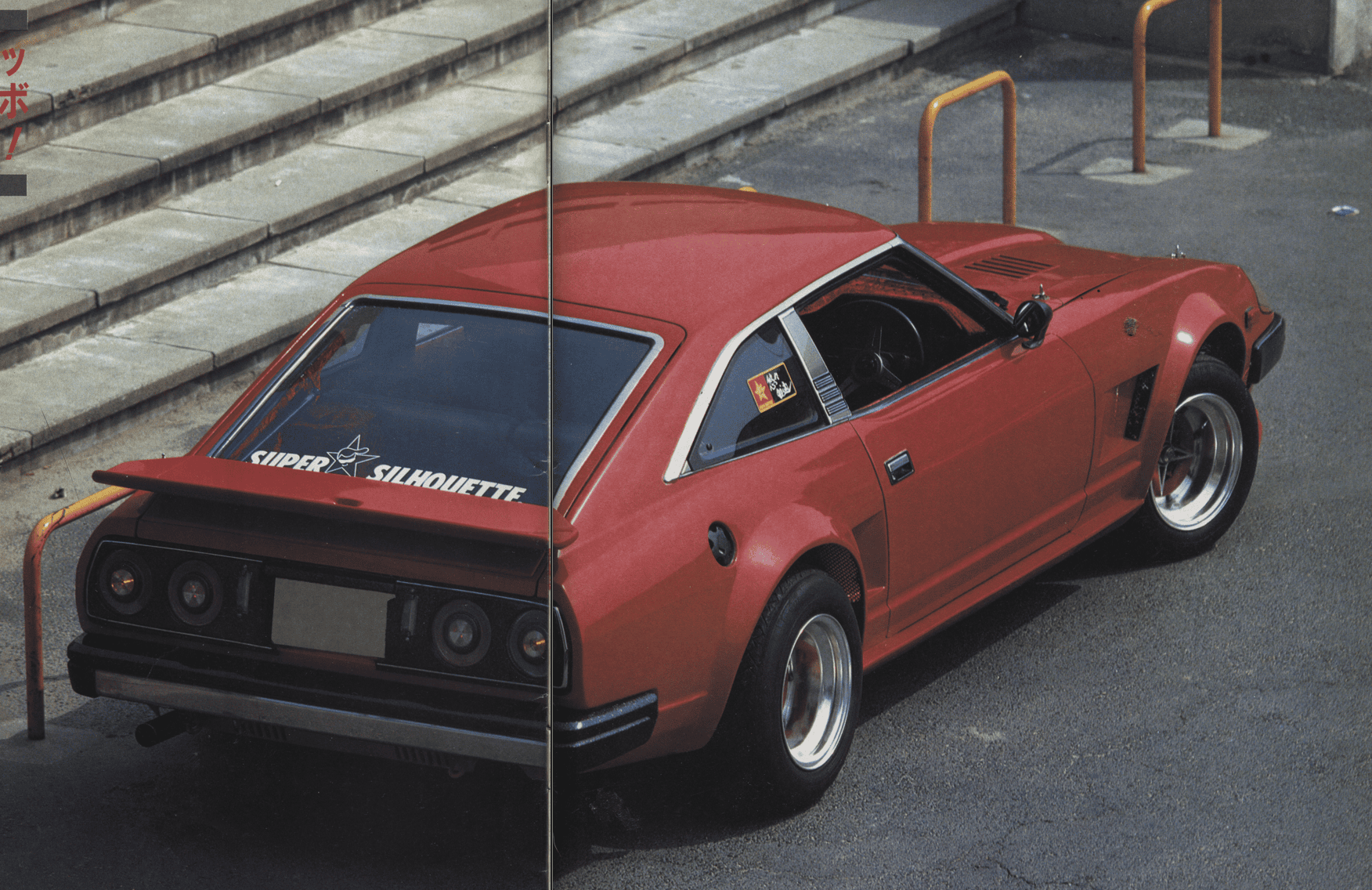
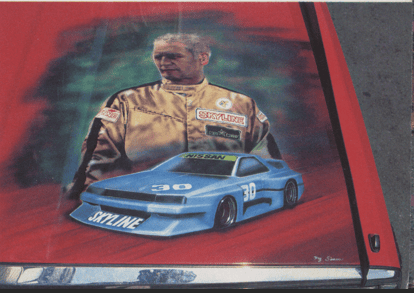
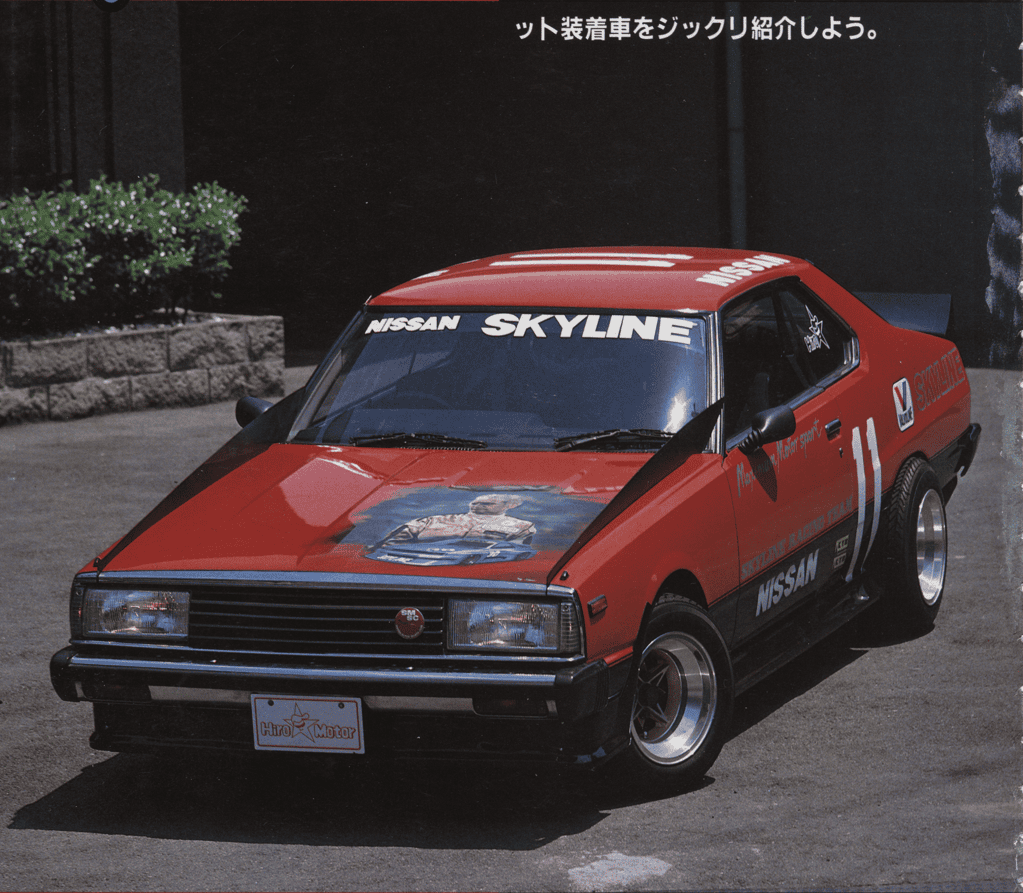
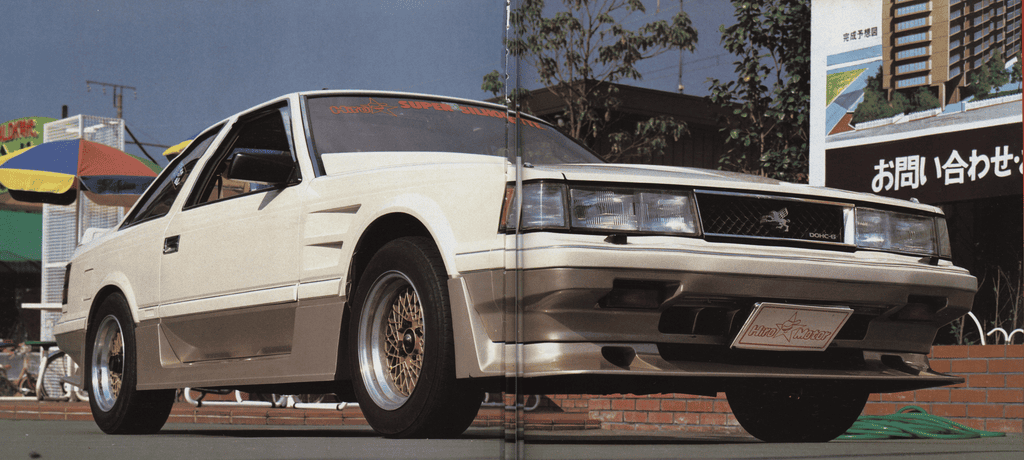

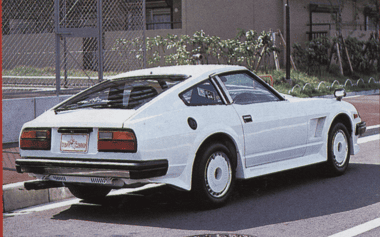
An important note here is that Monthly Auto Maximum Tuning Car (月刊 Autoマキシマムチューニングカー) featured a column written by Hiro. The contents of which are normally retellings of different stories and updates on the shop. The more interesting thing that I pulled from this is that Hiro and this magazine had a close relationship. I believe this is important as these magazines feature many more Kansai builds than any other publication in my research. Maybe writers were located in Osaka as opposed to Tokyo like every other magazine, or Hiro had influence on spotlighting cars from his area.
1981 – 1985
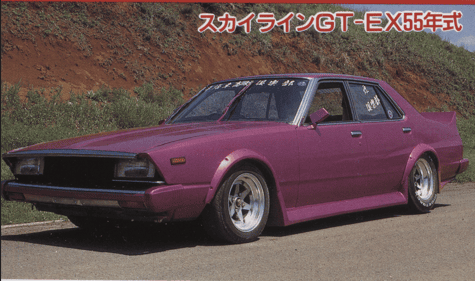
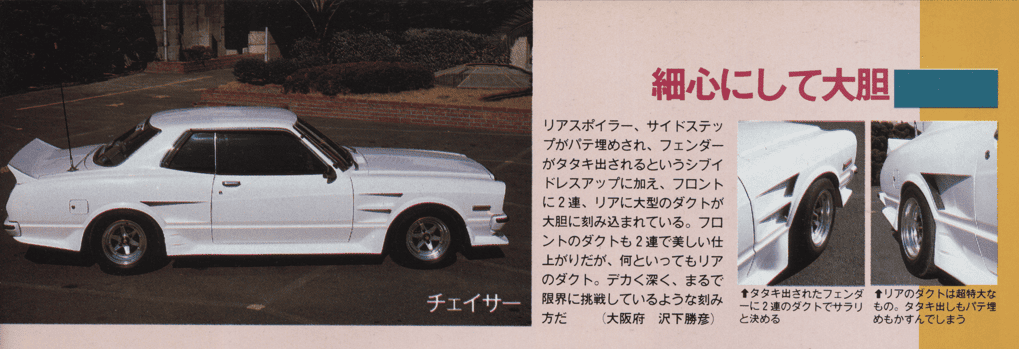
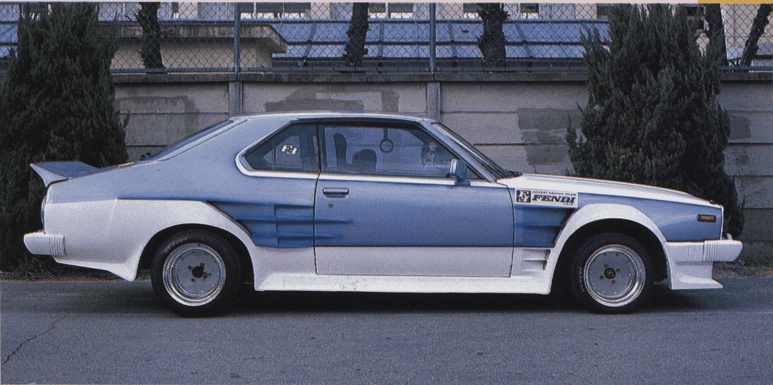
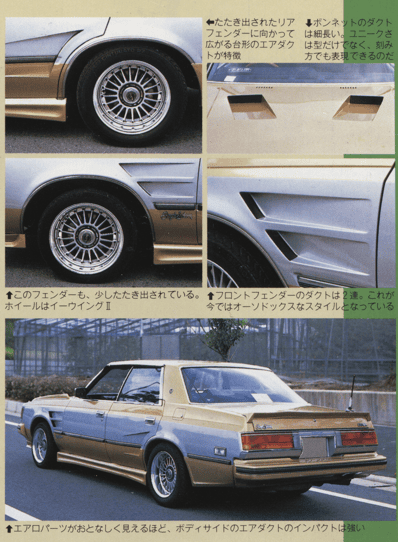
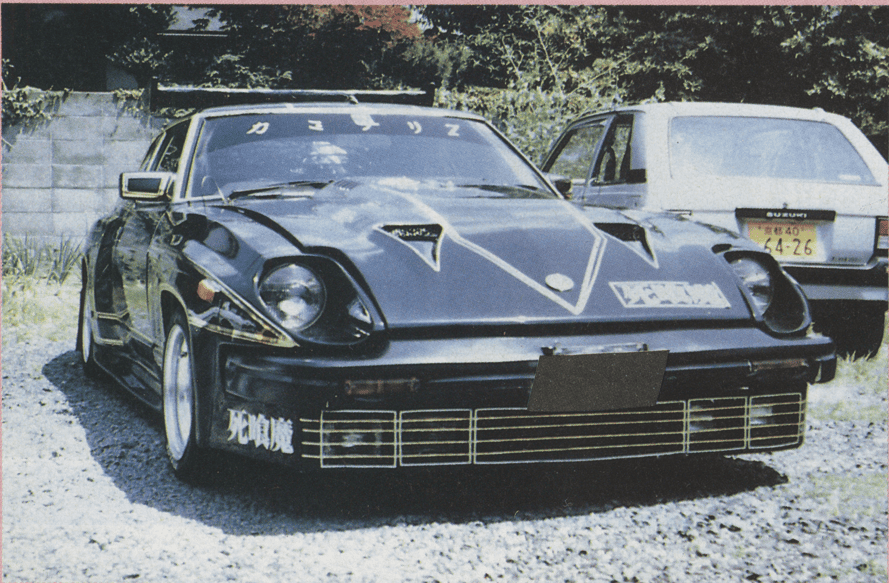
As for the cars themselves, rather than the extravagant and visually loud modifications of Chibaragi style being developed in Kanto, Kansai is much more modest. Cars from this region tend to feature vents, single color/simple paint, hammered fenders, metal flare, or molded flares, and putty work to remove details such as windows. Additional aero may be found but these seem to be “extremes” for the area. To put it plainly, the goal seemed to be making the vehicle look “smooth”.
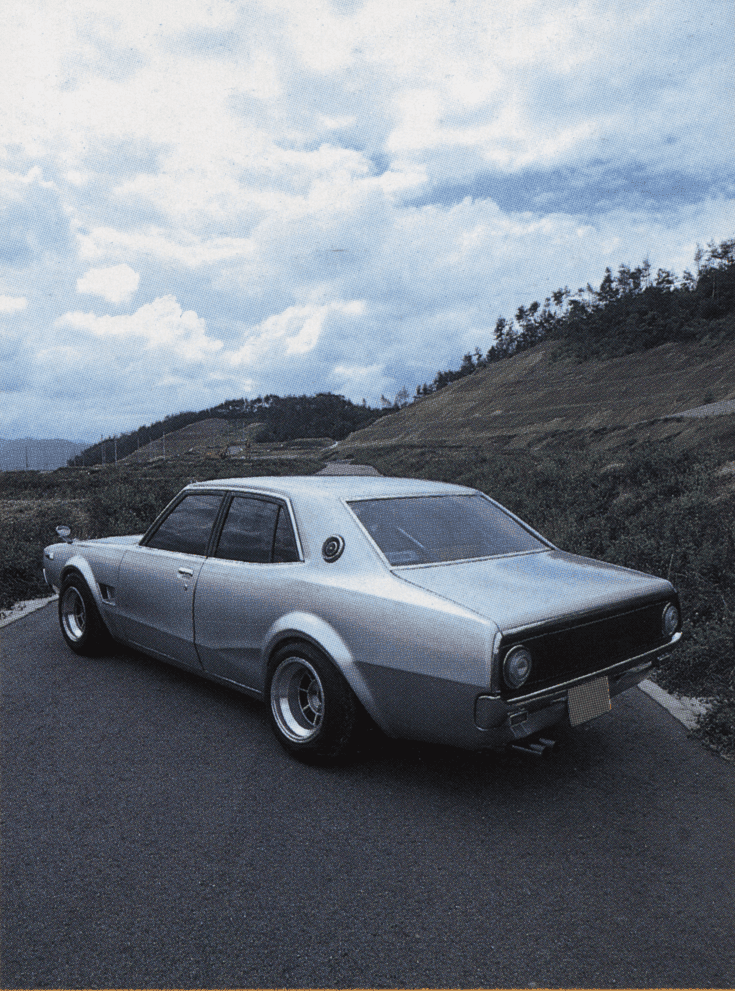
Tuning Car Maximum 1984 defines this style through the following quotes:
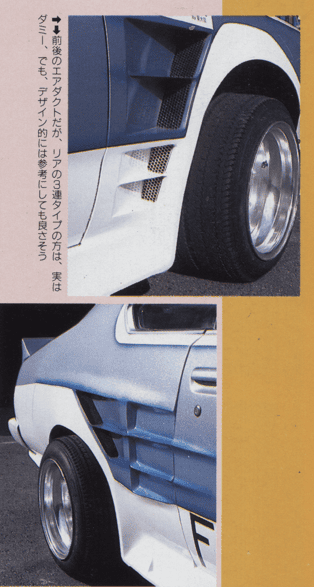
As the saying goes, different places, different customs, and in the Kansai region what they call a silhouette is a car like this z four neatly flared fenders are connected by putty filled side steps and there are also air ducts. Compared to the Kanto region’s silhouette which is very flashy with cuts and pasted-on parts, this seems to be much more subdued.
The birthplace of ductwork is Kansai, of course, let’s not forget that.
Is the lack of protruding parts a characteristic of the Kansai silhouette.
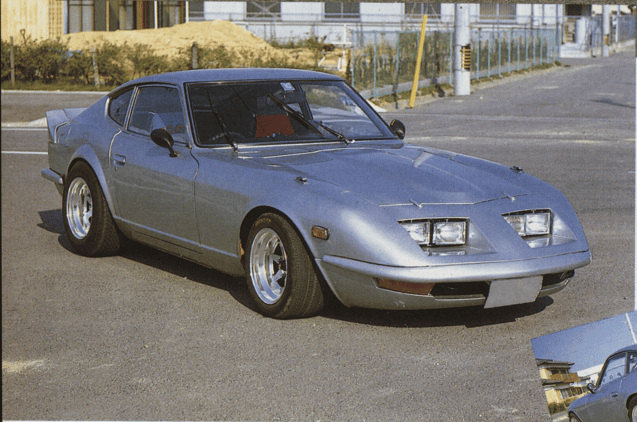
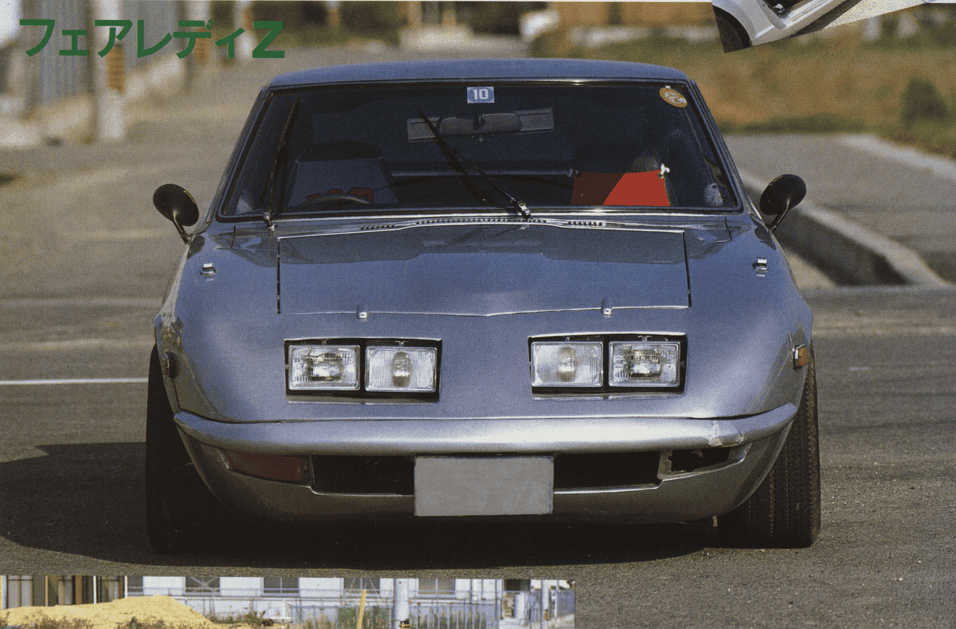
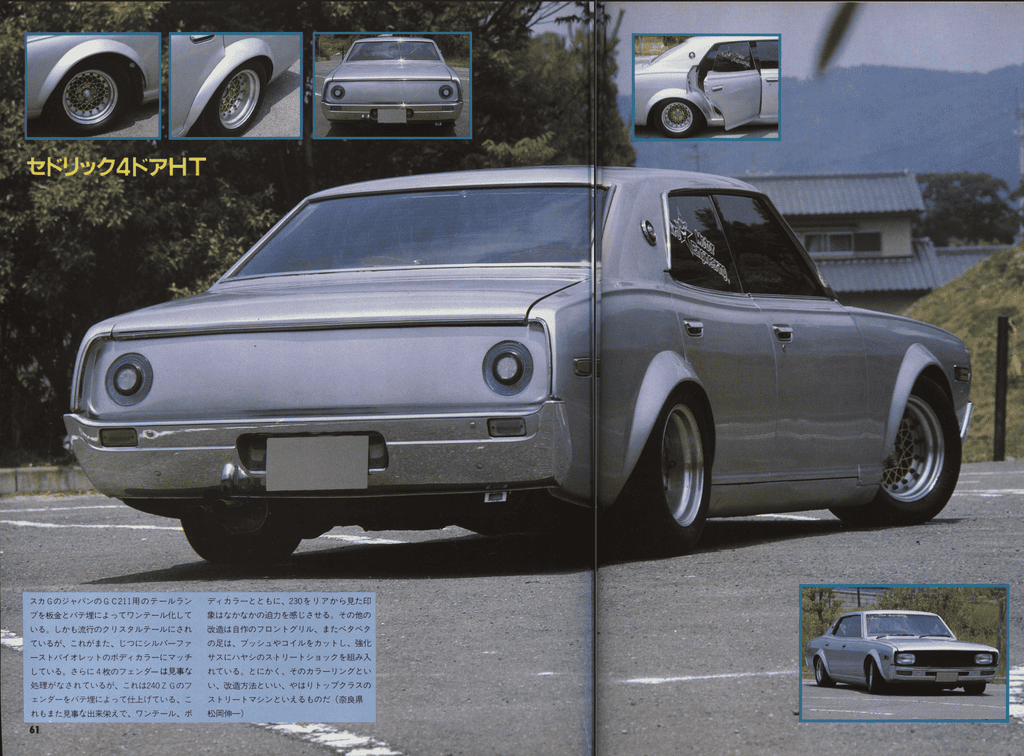

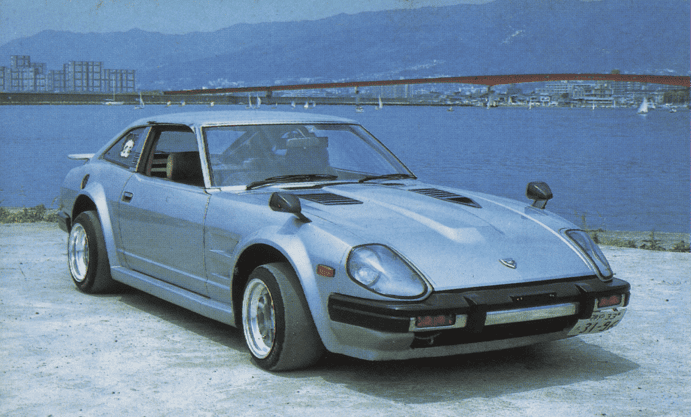
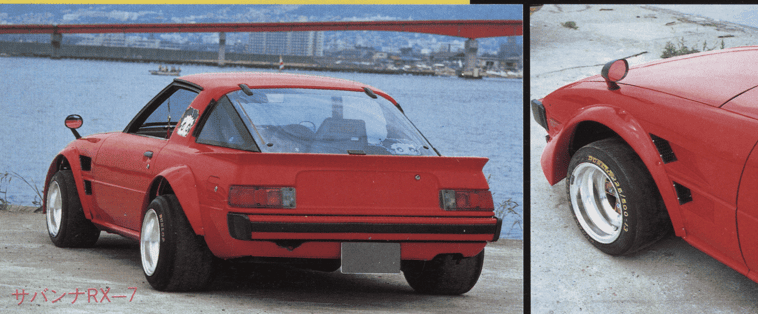
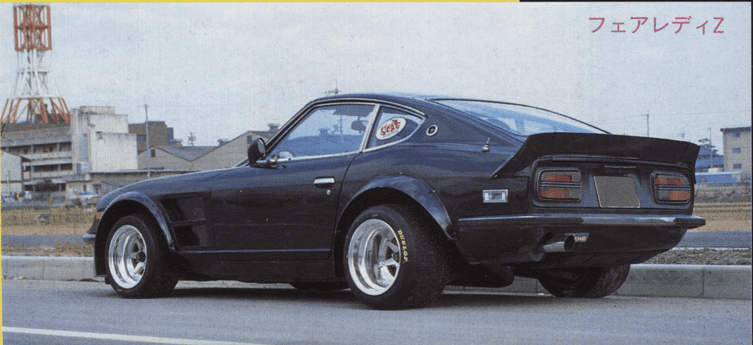
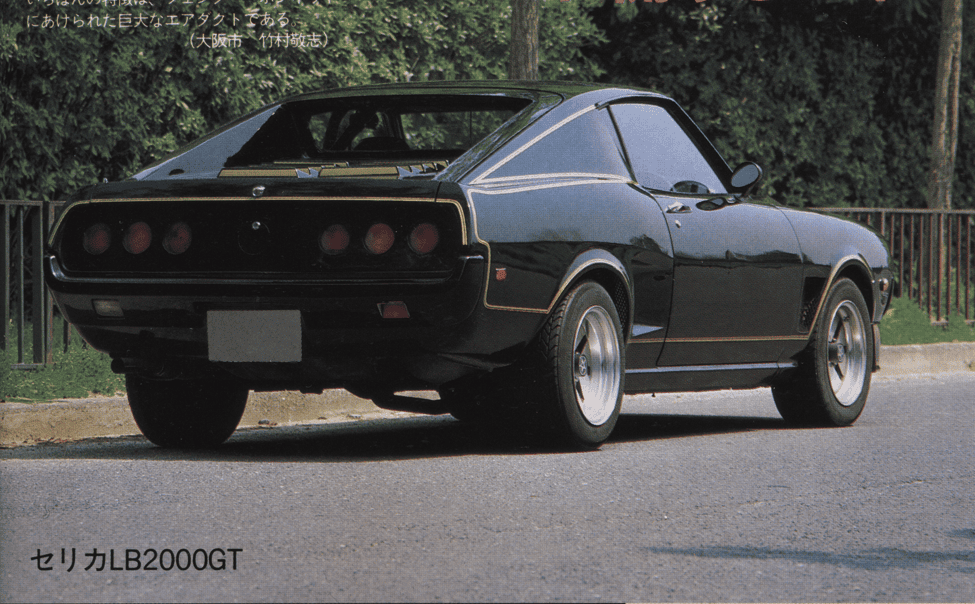
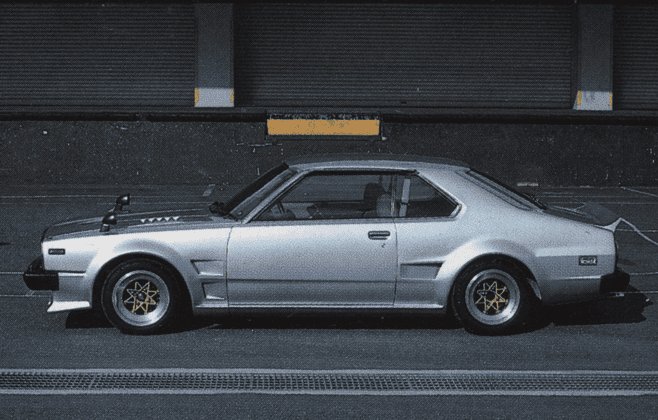
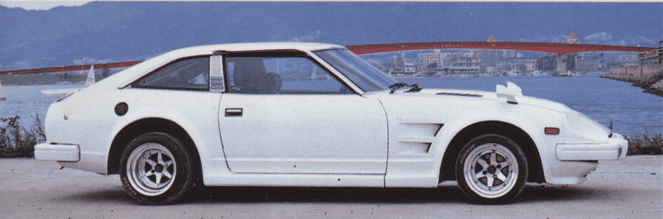
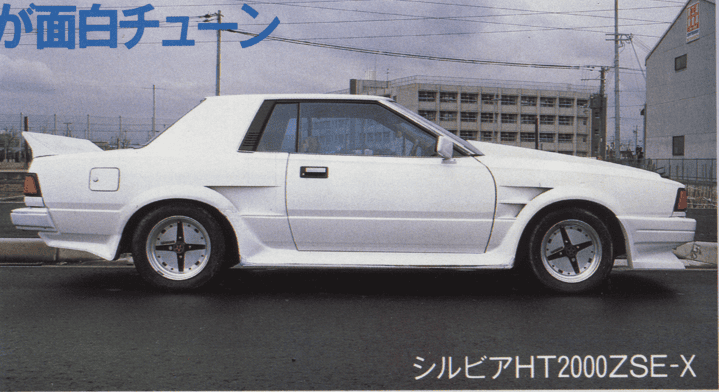
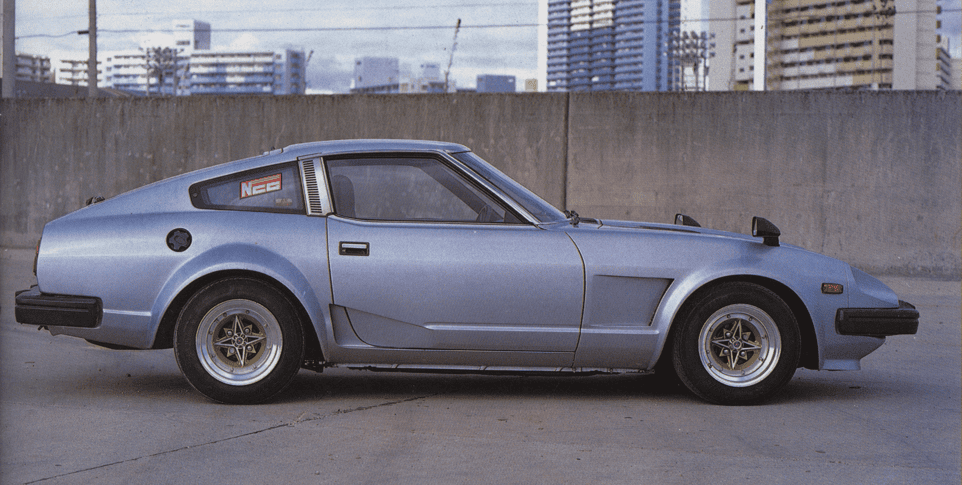
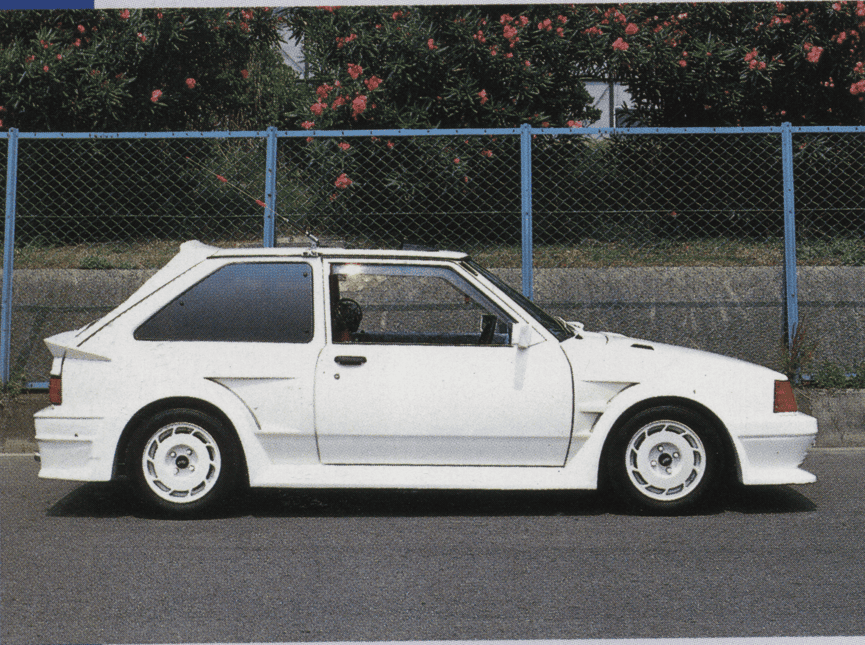
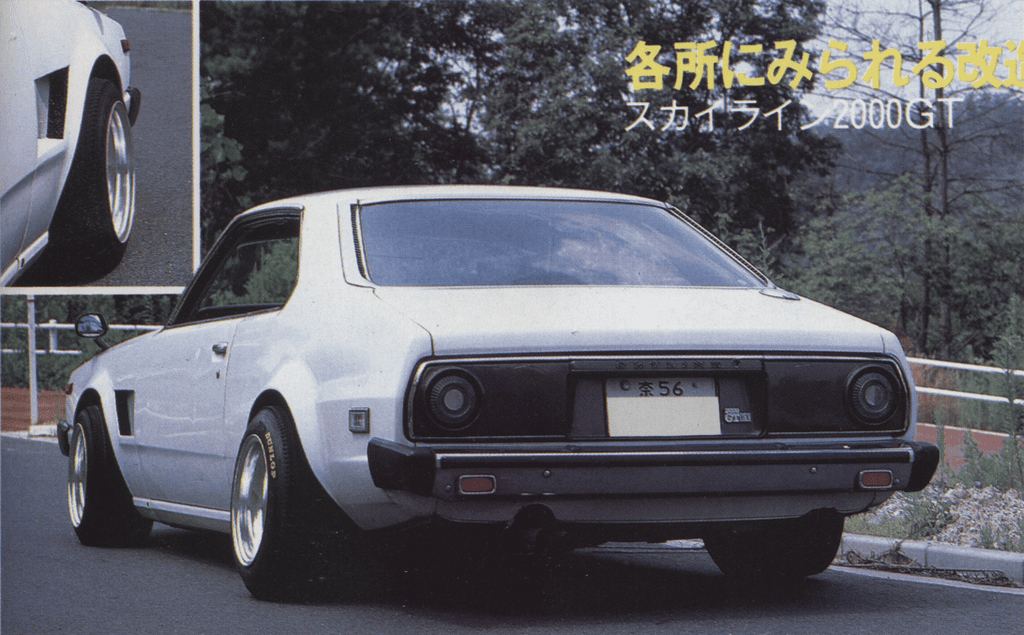
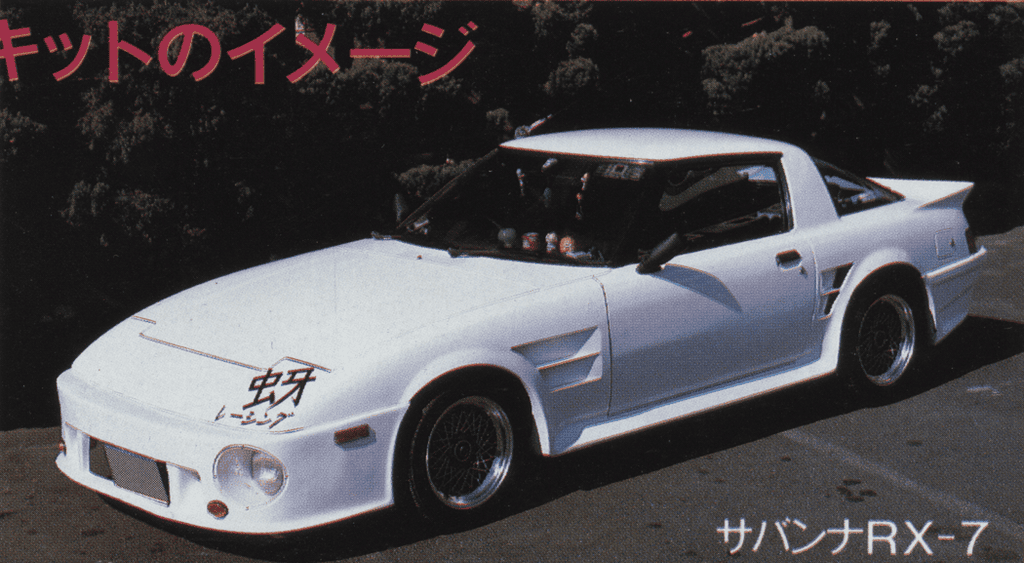

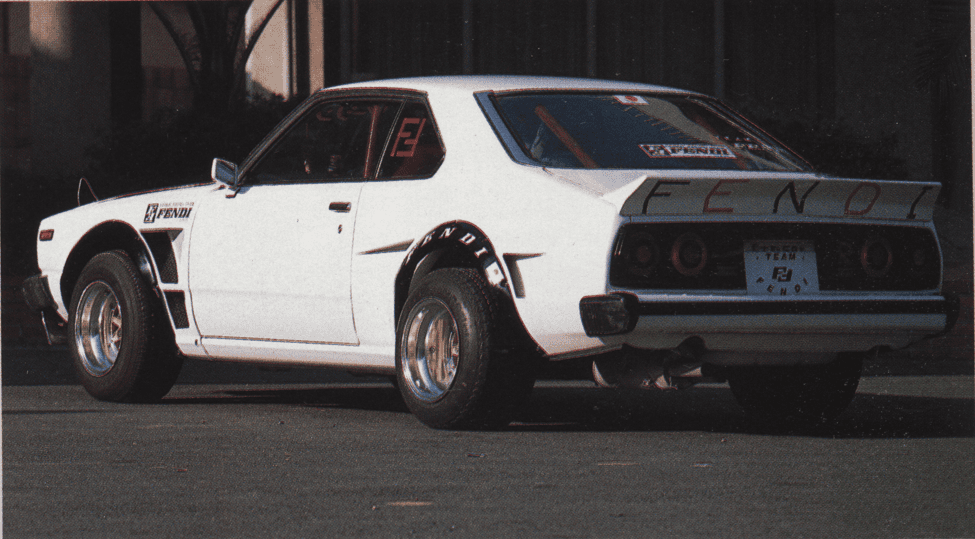
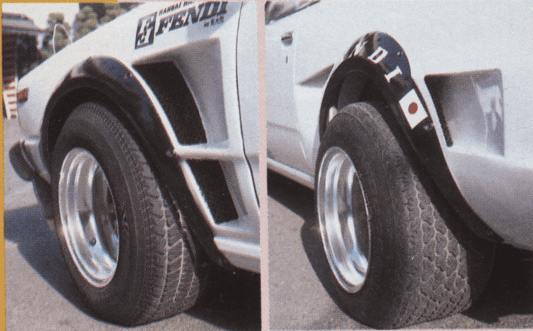
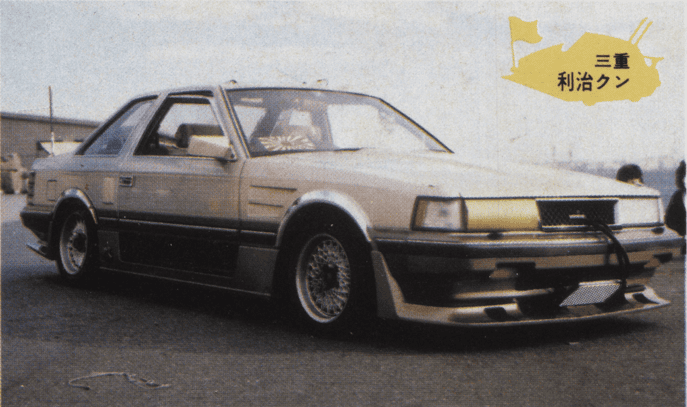
The following 3 cars of team “Fendi”, specifically the 2 tone Skyline Japan stand out to me as cars that pushed the envelope for this look. All 3 are from Osaka and found in 1985 Tuning Car Maximum.
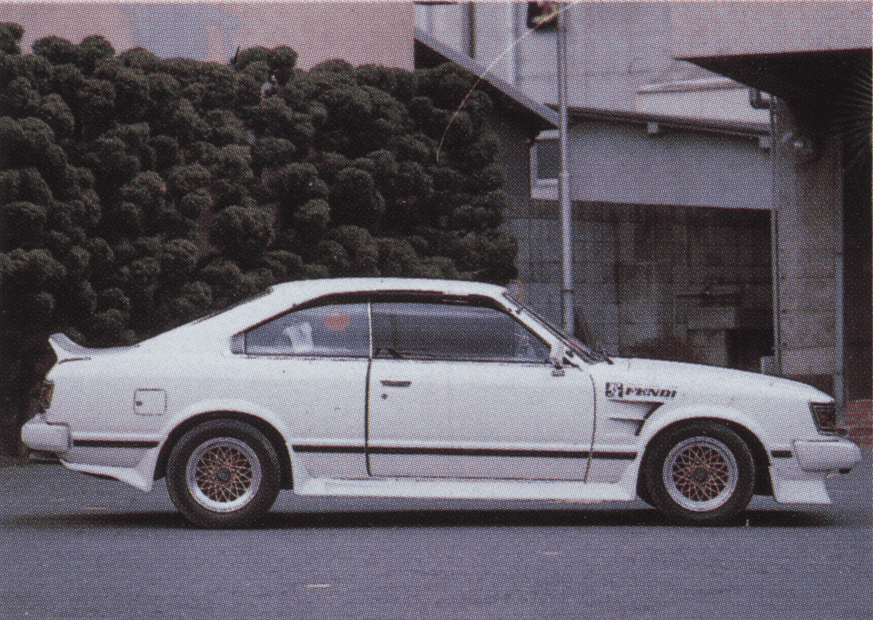
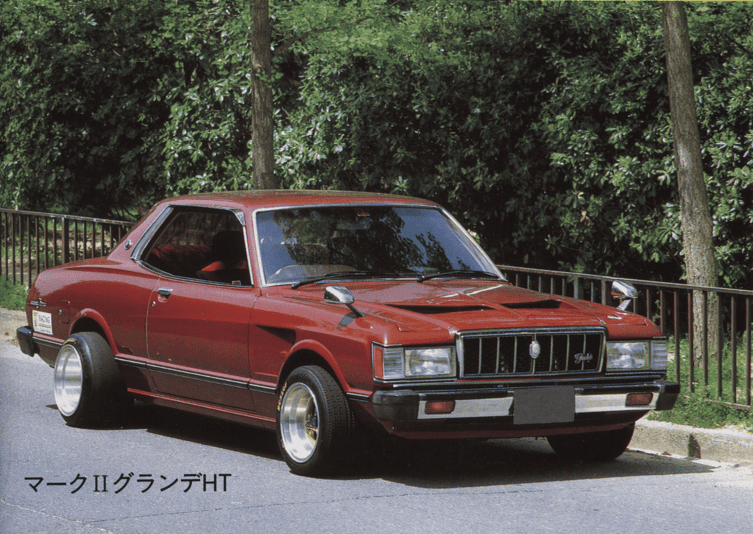
On the following Mark II built in Osaka, it’s noted in the text that the fenders have a hammered finish. This means that the fenders are metal rather than fiberglass, metal fender has become a staple of nonsuri styling since it’s inception during the 90’s but seeing this in Osaka years prior makes a lot of sense due to the emphasis on “simplicity” opposed to the over the top styling seen around Tokyo at this time.
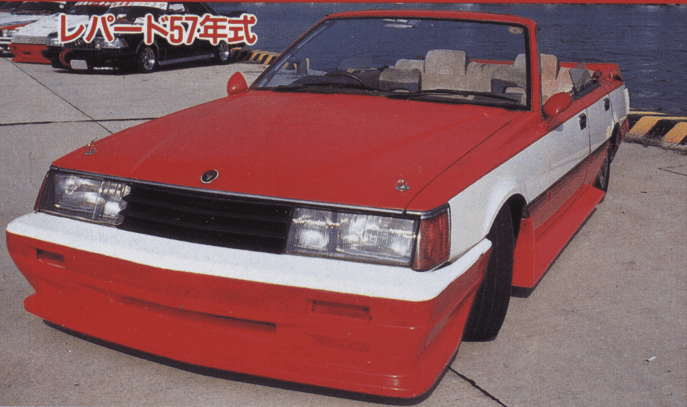
A quote from the writer for this 2 tone Nissan Leopard from Osaka:

There was a time when Chiba-Ibaraki power reigned supreme, and the deciding factor in evaluation was how big and how much each part protruded, but 1985 seems to have been the year of Chiba-Ibaraki’s decline. So, looking ahead to this year’s trend, it is “how to do it without ruining the original silhouette of the body.” It all boils down to “how to decorate and adornate,” doesn’t it? Which means a car like this Lepard. It’s a car that truly foreshadows the direction of modified cars this year.
This bias is found throughout many notes inside the Tuning Car Maximum catalogue.
1986 – 1992
Ironically as soon as 1986 there’s a steep drop off in the number of cars being seen in any of these magazines. Is it a coincidence that this aligns with the conception of B16A VTEC? While that is mostly a joke, the tuner cars being released at this time would be much more desirable for racing the Hanshin Expressway Loop 1. Those who did continue to build kaido racers start to build more intricate cars, still in a way that is self referential.
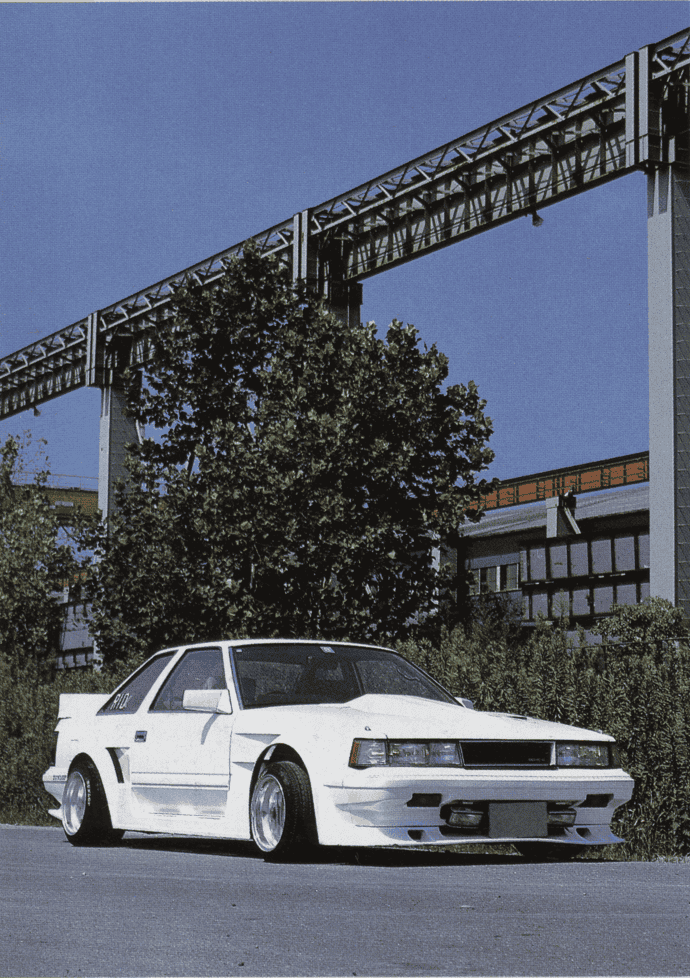
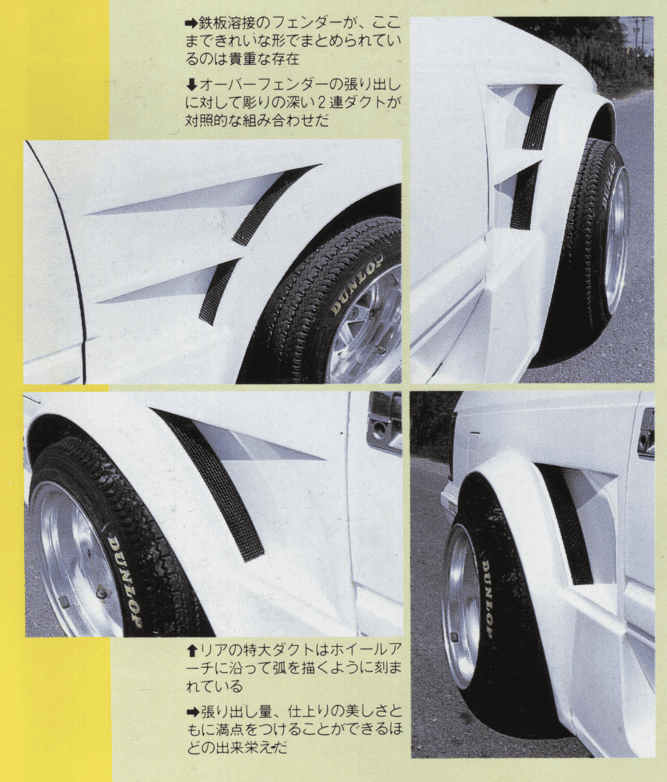
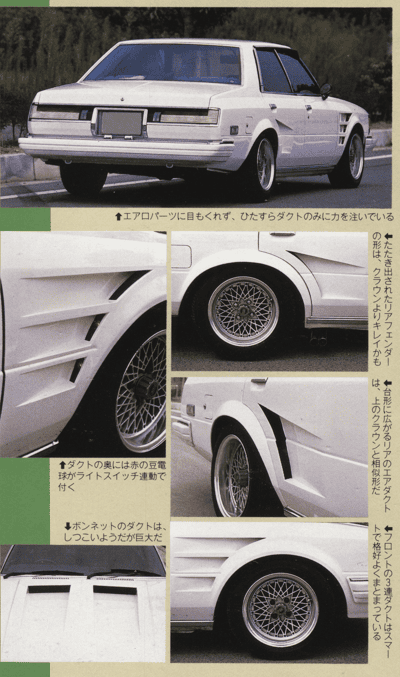
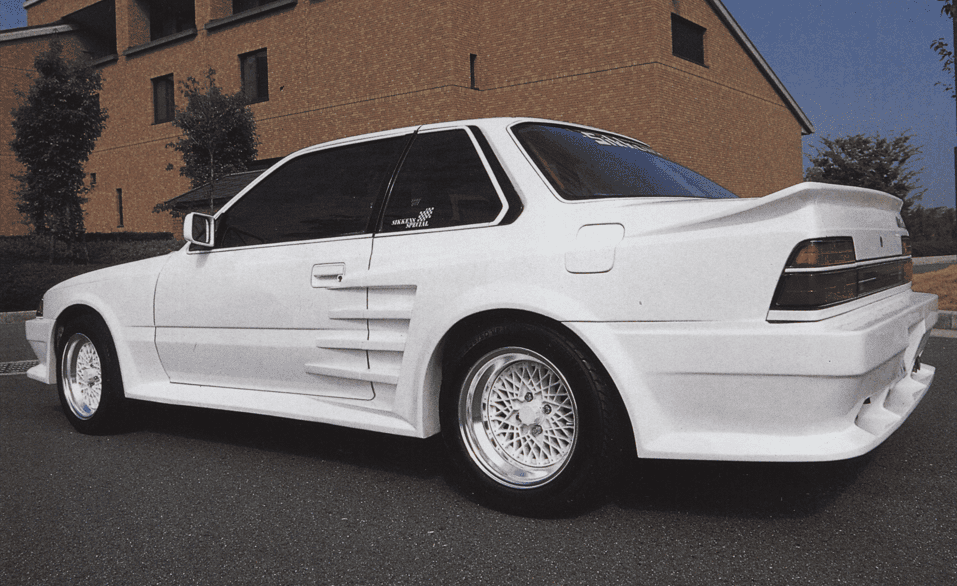
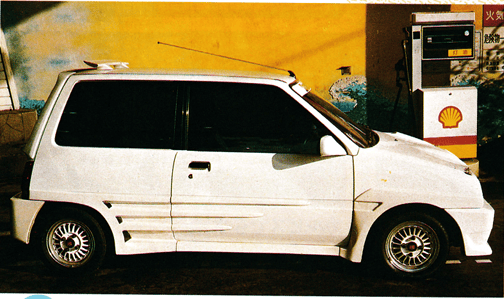
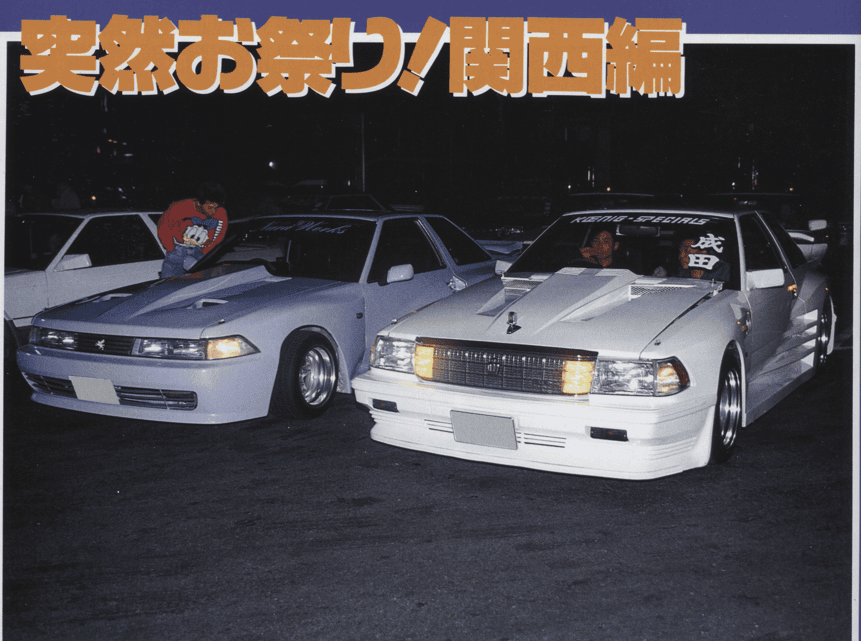
The following white Prelude and Mira TR-XX of this year are the earliest examples I’m able to find of cars with Koenig inspired fenders. The Prelude is noted as: “They are a brilliant adaptation of the Testarossa-style rear fenders used on Mercedes-Benz cars by Koenig, a tuner that could be described as somewhat radical. Moreover, wood is used as the material, and the finish is superb.”
In my collection of magazines, I was unable to find examples of cars specifically noted as being from any prefecture in the Kansai region until 1992. Within this gap it seems that the region leans more towards haiso styling, which is closest to the roots set by Hiro a decade before. With that said I would say that the distinctions for this style are greatly diminished by this time.
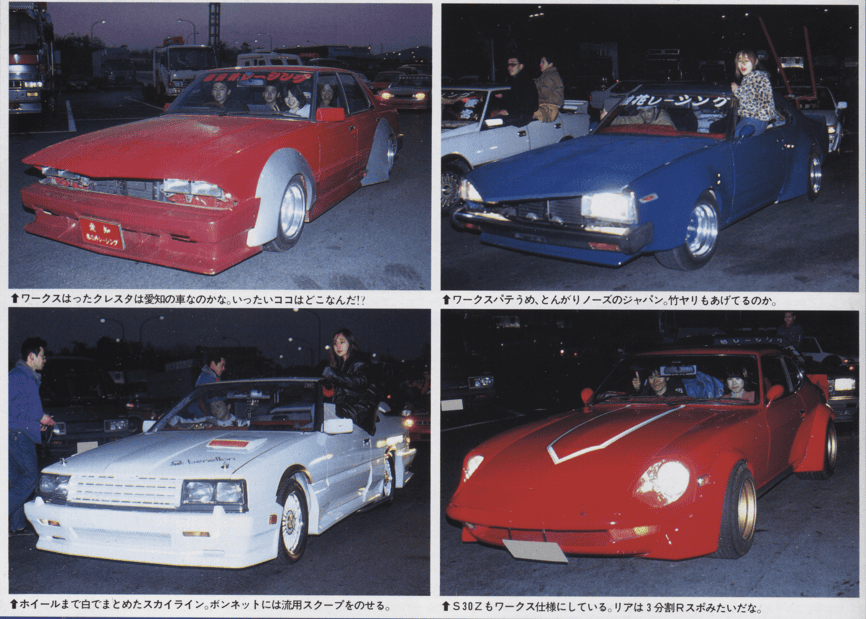
The following come from AutoWorks 1992 yearbook, first detailing the cars at a Kansai touring event.
The text found on this page points to the red Y30 Gloria as “distinctly Kansai vibe” and that the curtains on the front windshield of multiple cars is a modification specific to this region.
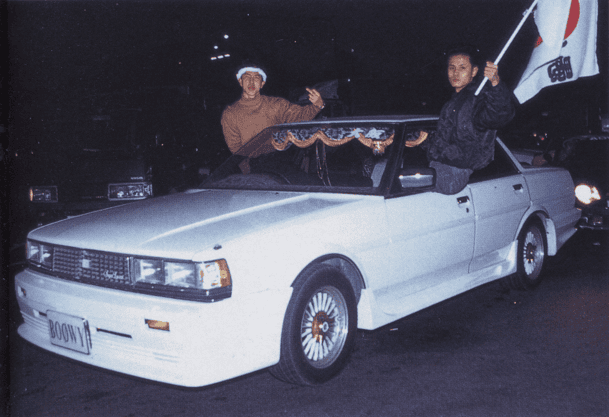
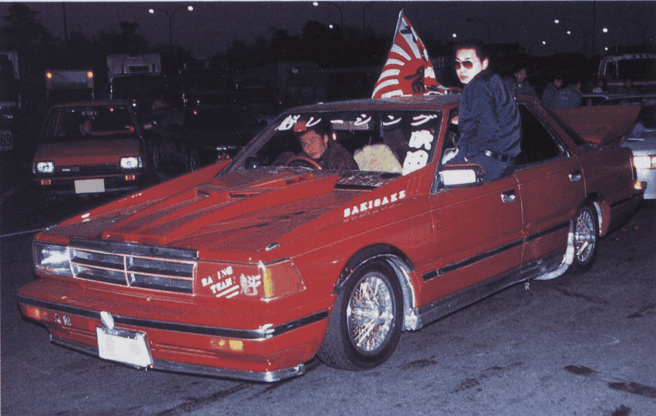
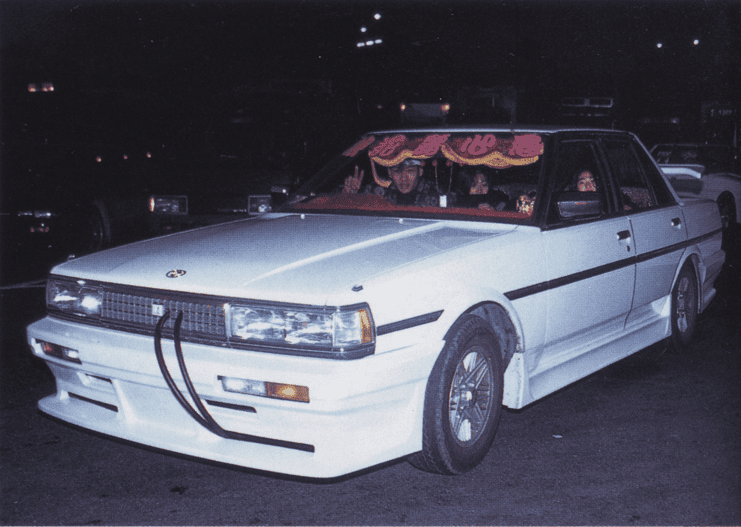
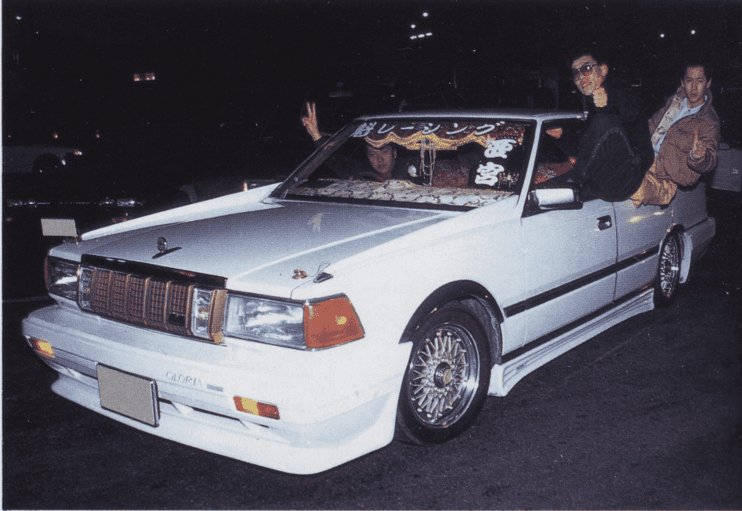
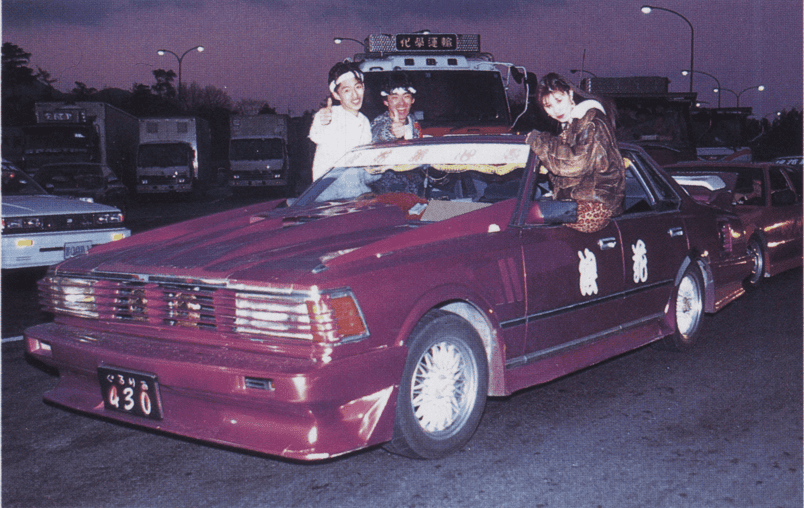
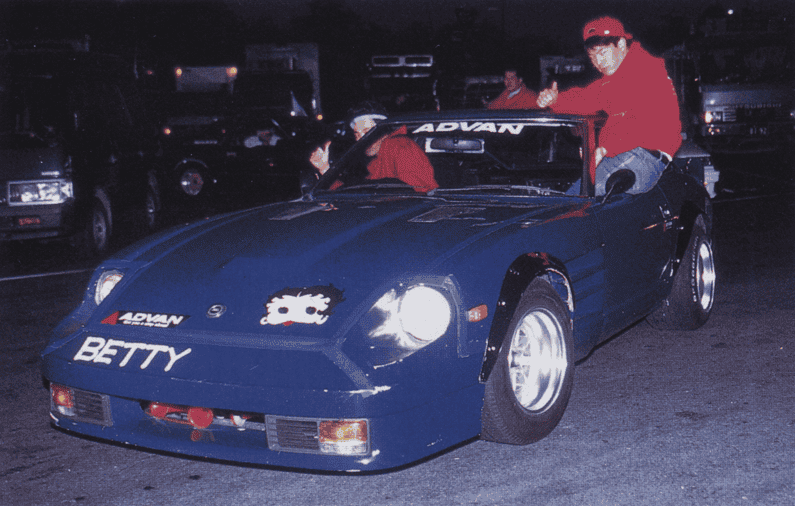
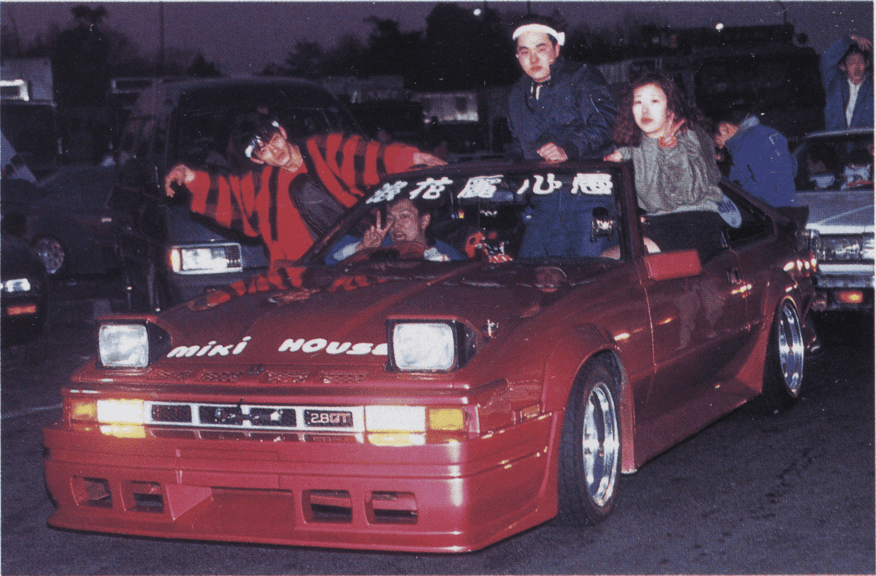
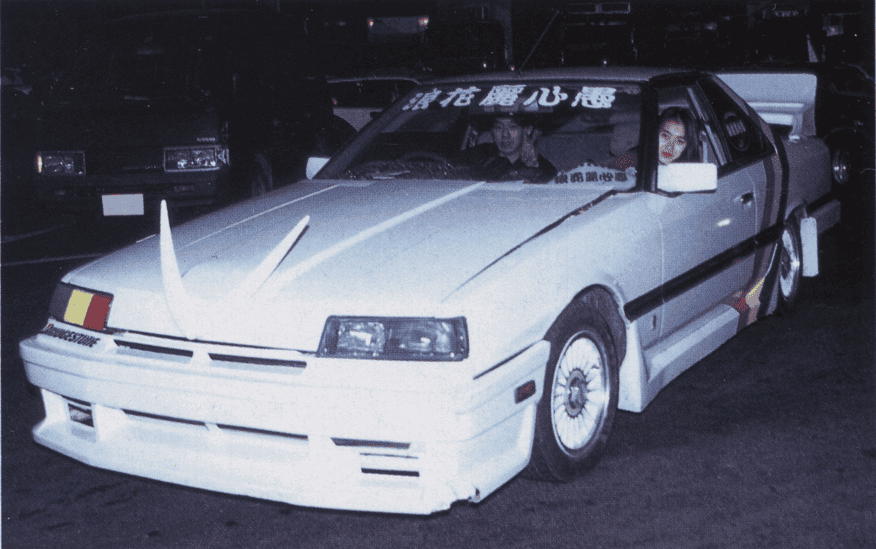
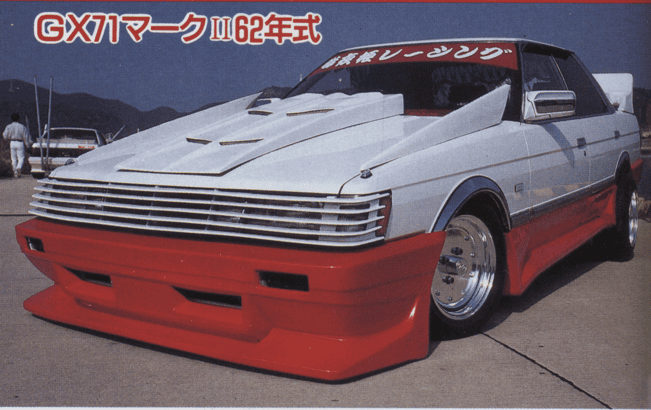
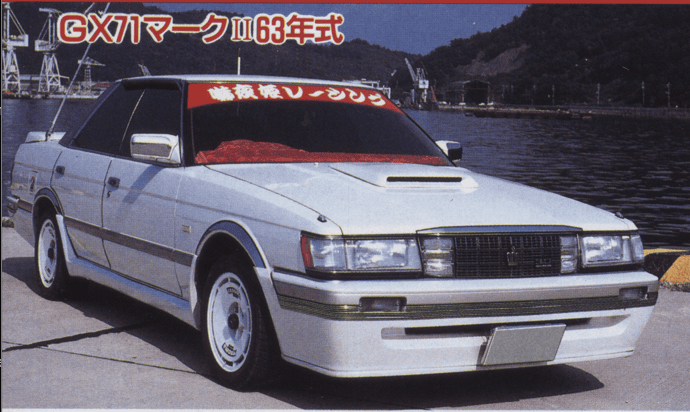
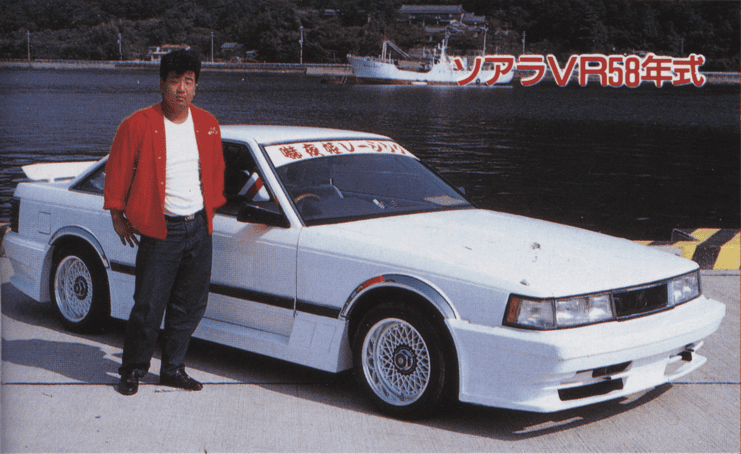
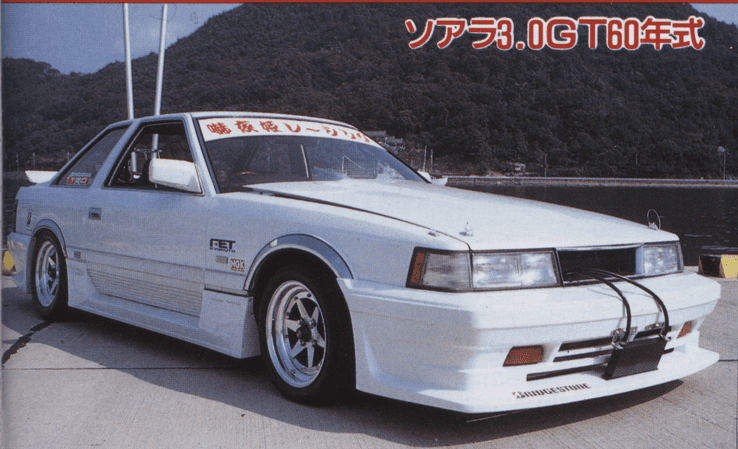
This is followed by features on 2 Kansai based teams, Kaireishingu / Kai Racing and Kakuyahime Racing.
Kai Racing is comprised mainly of cars with full fiberglass catalogues attached.
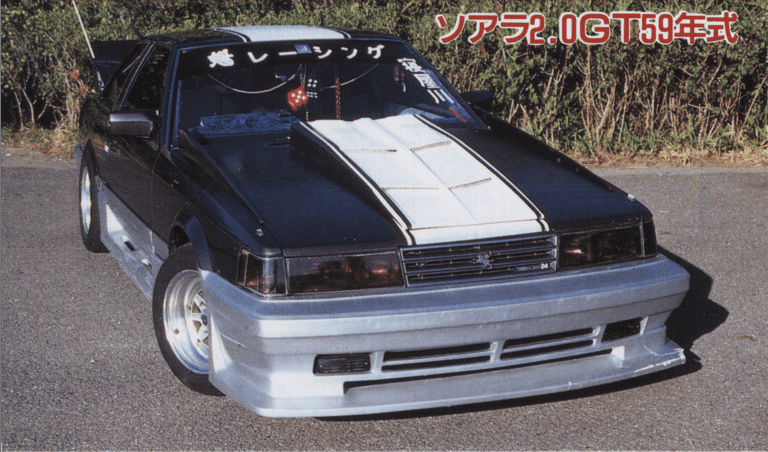
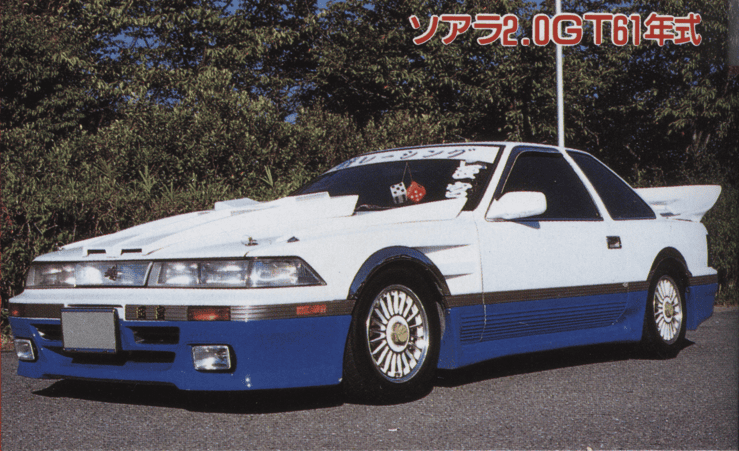
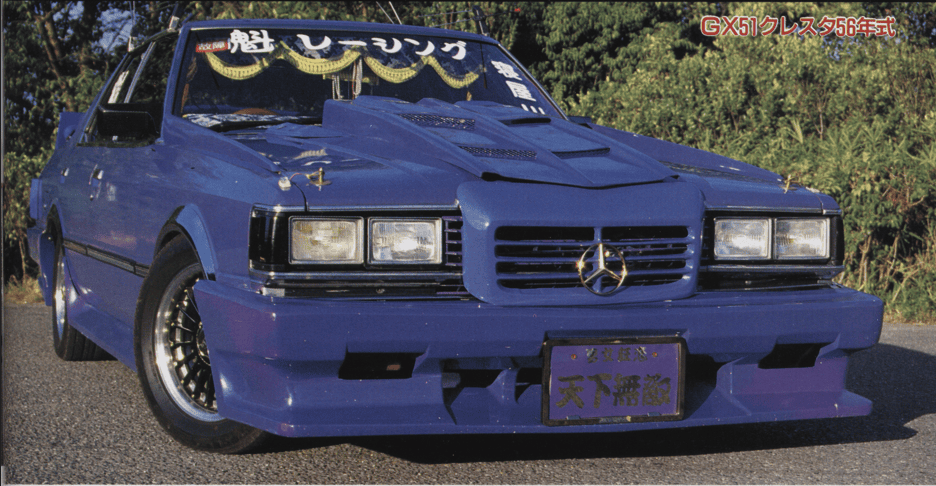
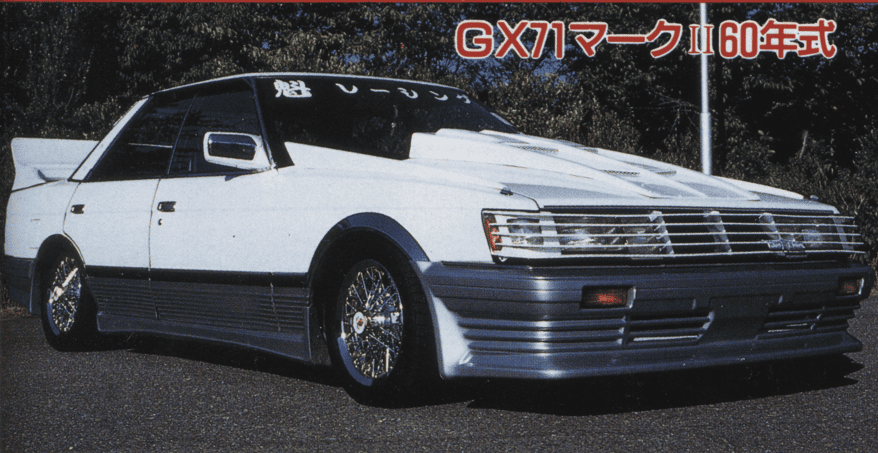
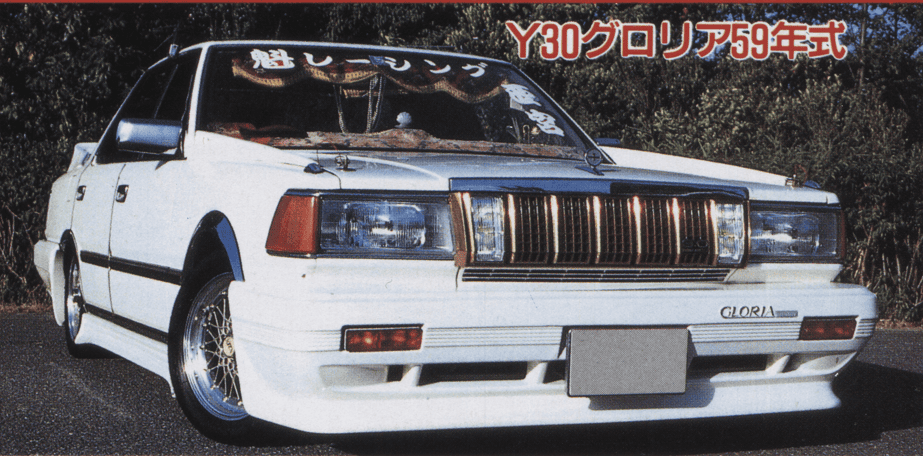
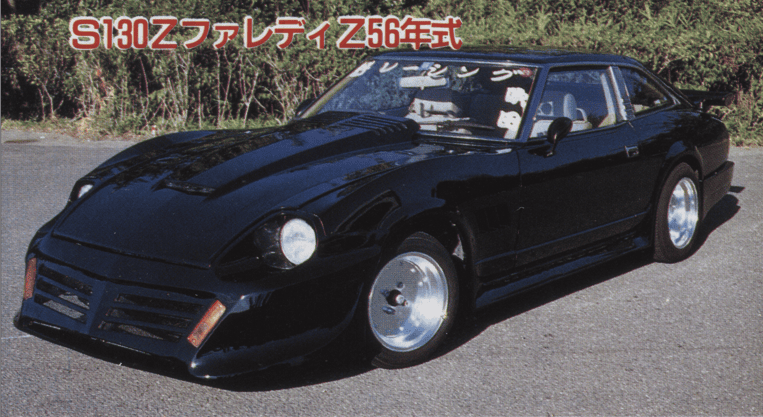
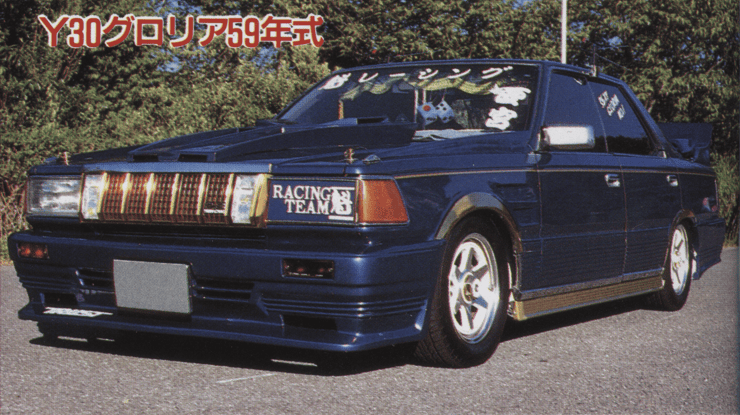
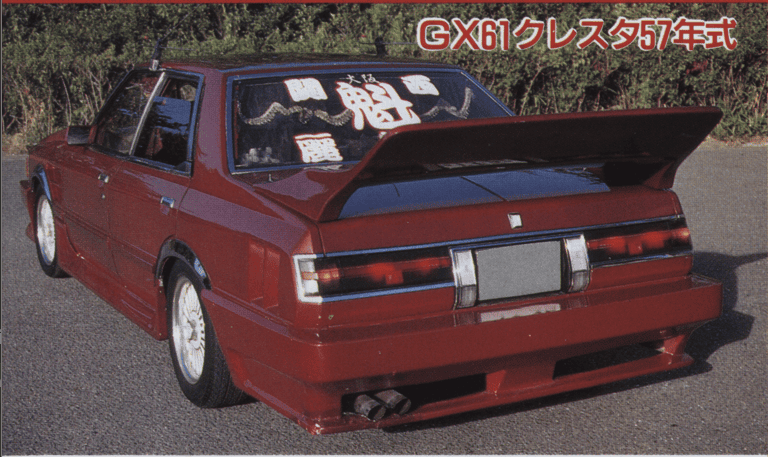
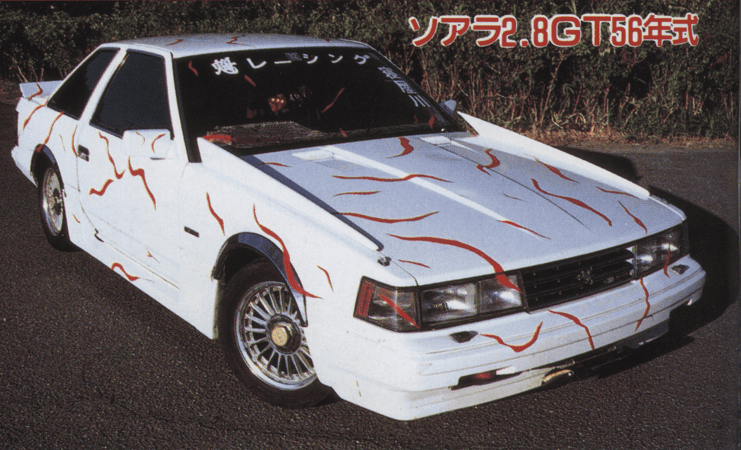
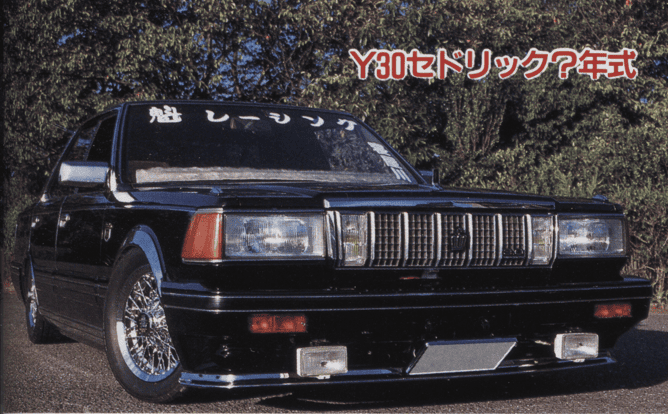
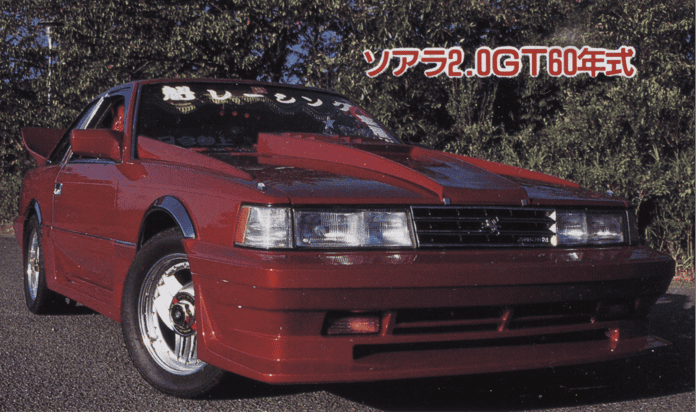
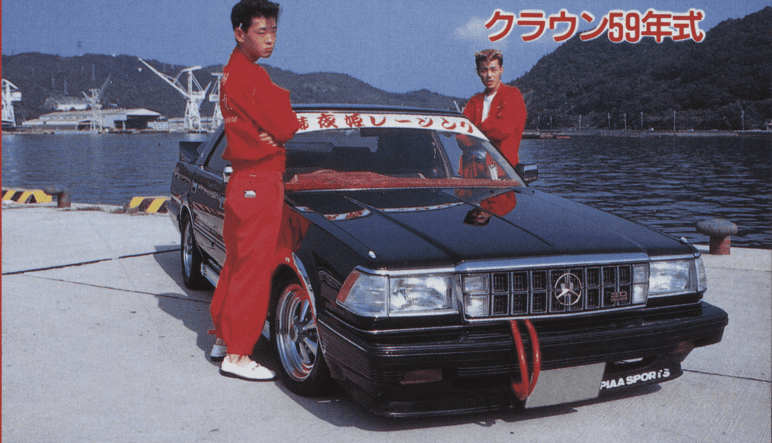
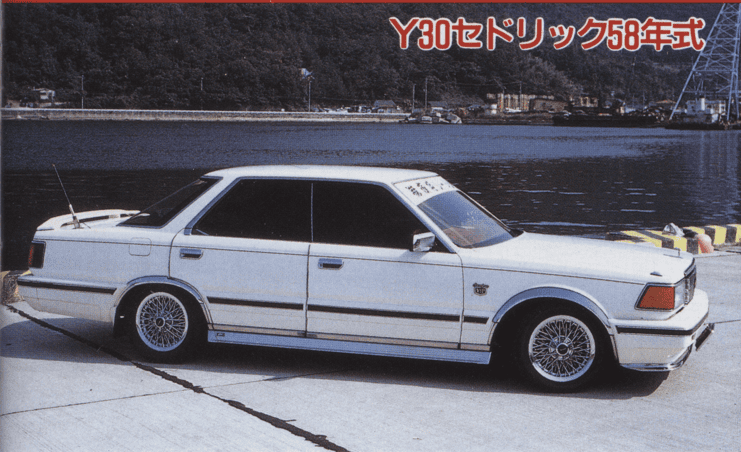
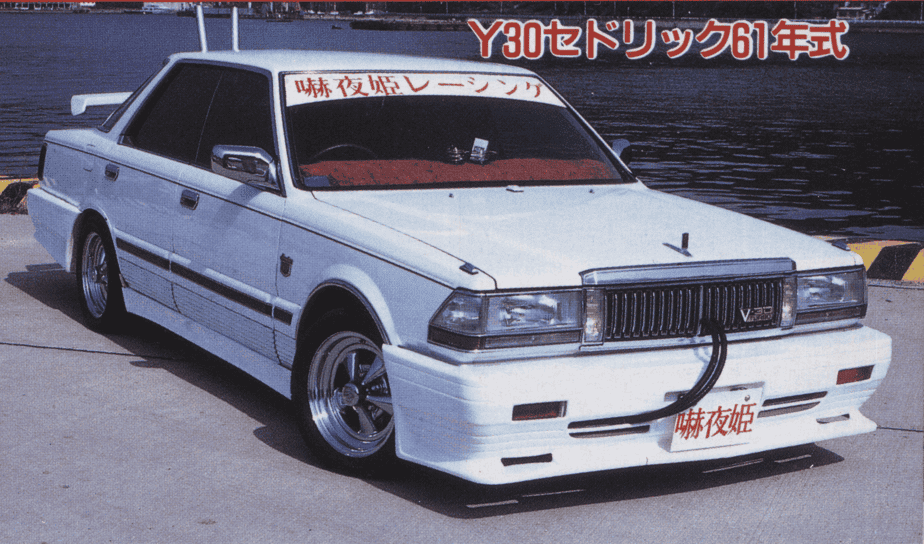
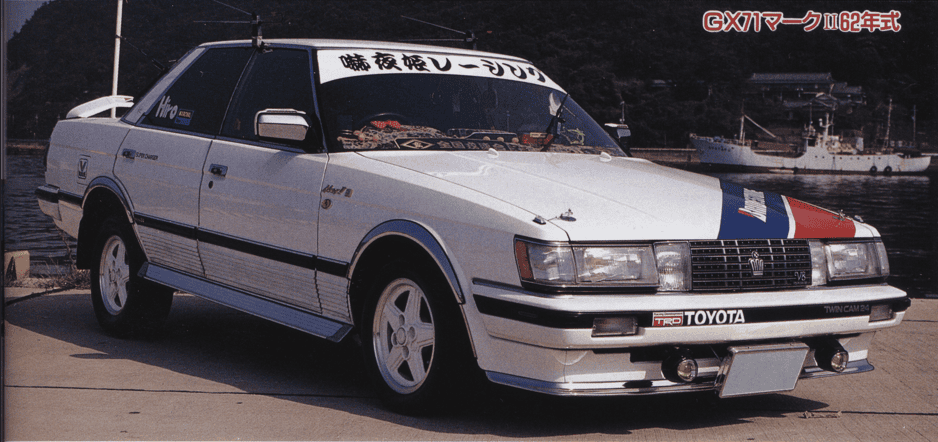
Kakuyahime Racing is noted as “Rather than aggressively tuned cars, the focus is on simple, lowered stances”